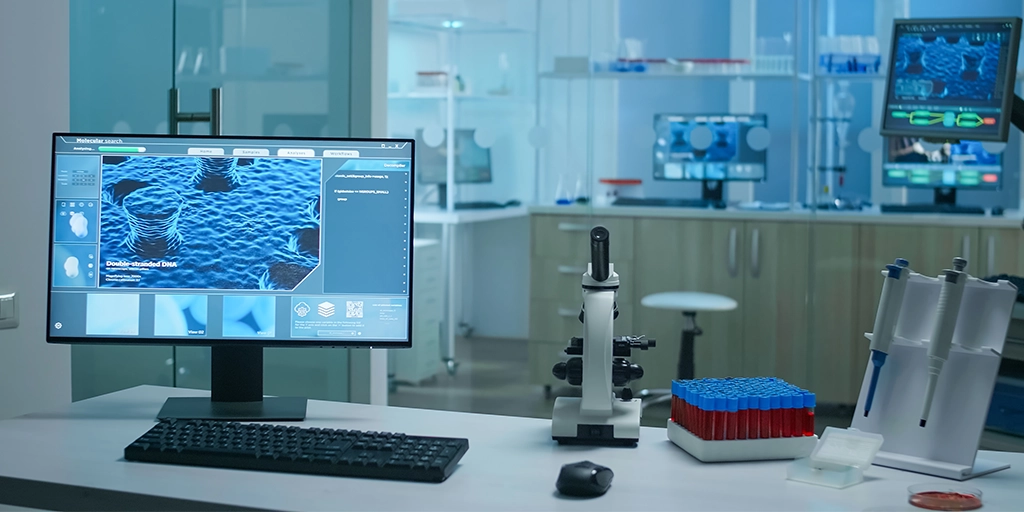
Setting up your first biotech lab: A founder’s guide to water purification systemsÂ
There’s lots to think about when setting up a biotech lab, from the people and processes to the equipment and controlled conditions. […]
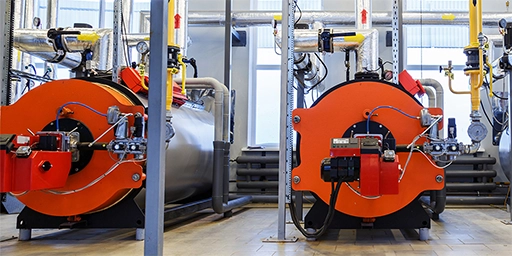
In industrial and commercial environments, boilers are operationally fundamental. From the food and beverage sector to pharmaceuticals and chemicals, high volumes of heat and steam are often needed
Any interruption in the water system can immediately impact compliance and productivity and increase operational costs in labs, clean rooms and manufacturing areas where high-quality
RO systems in laboratories provide essential high-purity water necessary for testing and research purposes. However, hard water scale formation on
Water purification has always been an essential activity for scientific exploration and industrial development throughout history. The evolving challenges and
In research and clinical laboratories, water is not just a convenience. It is the foundation for experiments, assays and sample
Scale build-up is not typically at the top of our minds when considering threats to laboratory operations. Issues like power
Water is one of the most important reagents in many laboratories including life science research, diagnostics, molecular biology, and IVF.
Industries like pharmaceuticals, food and beverage, semiconductors, power generation, and mining rely on advanced water purification systems to ensure product quality, regulatory compliance, and sustainable operations. Tailored technologies such as reverse osmosis, and ultrafiltration help manage specific water quality challenges while supporting efficiency and environmental goals.
Contaminants in clinical labs can compromise test accuracy and patient outcomes. While equipment and reagents get attention, water quality if often overlooked. Type II lab grade water is vital for reducing variability, protecting instruments, and ensuring reliable results. This blog highlights its essential role in clinical diagnostics and the importance of investing in high-quality purification systems.